
No products in the cart.

Is dextrose good or bad for dogs? What are the medical applications for dogs?

I was very surprised to find that many people are concerned about the effects of dextrose on their dogs. I wondered in the first place where they were hearing about these concerns.
Dextrose and dextrin are not the same thing, although their names are often confused. Dextrose is a simple sugar (glucose), while dextrins are carbohydrates produced when starch is broken down. Maltodextrin is another carbohydrate derived from starch.
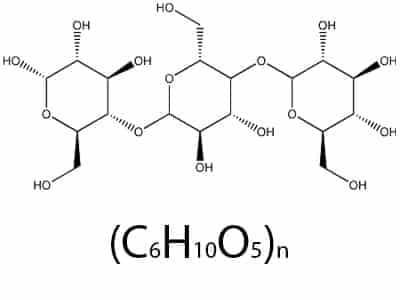
Dextrin is in a class of sugars called POLYSACCRIDES = MANY single monosaccharide molecules joined together.
The group of sugars called Dextrins are a low-molecular-weight carbohydrates (formula (C6H10O5)n ) produced by the hydrolysis of starch or glycogen. Dextrins are mixtures of polymers of D-glucose units linked by α- or α- glycosidic bonds.
Hydrolysis is the chemical breakdown of a compound (in this case sugar) when immersed in water.
This article focuses mainly on dextrose and its veterinary uses in dogs, particularly its use in treating low blood glucose (hypoglycaemia).
DEXTRIN USES FOR DOGS
One commercial application of wheat dextrin is as a fibre supplement, such as Benefiber.
BeneFiber is a relatively safe fiber supplement that can be helpful in controlling chronic diarrhea. They say that benefiber has 2 grams of wheat dextrin. In each teaspoon (approximately 4.2 grams).
The BIG caveat for this as with any dog medication, is you should not use it regularly and instead only as vet recommended and preferably fix the cause of the problem rather than masking it with a short term ‘treatment’.
In other searches on Dextrin we find that a lot of sites discuss “Veterinary Dextrose 5%” Injection for dogs”. This is for a “5% Dextrose Injection, USP is a sterile, nonpyrogenic solution for fluid replenishment and caloric supply in single dose containers for intravenous administration.”
This is the typical Dextrose application used in vets – a Dextrose Hydrous in water solution
The reason they dissolve Dextrose in water and give it intravenously to dogs is that it can be combined with other drugs (without major side effects) to increase a dog’s blood sugar amount.
Dextrose might be used by veterinarians when a dog has dangerously low blood glucose, including in some emergency situations.
The reason that dextrose is used instead of other sugars is because it is a relatively “simple” sugar, the body can quickly use (breakdown) for energy or the other sugar tasks it is being used for.
DEXTRIN and FLUID THERAPY in DOGS
“Fluid therapy in clinical medicine is used to fulfil the following objectives:
(1) to replace dehydration deficits,
(2) to maintain normal hydration,
(3) to replace essential electrolytes and nutrients, and
(4) to serve as a vehicle for the infusions of certain intravenous medications.
While dextrose can be a life-saving therapy, it also can cause disease and illness if not administered appropriately. Ref 2
MALTODEXTRIN acts as an energy source, texturiser, carrier, thickener and binder in various pet food and feed specialties applications. So you can see its use in food is because it is readily utilised by dogs systems.
So the upshot is that unless you are a vet, you should not be administering dextrose to your dog for an illness issue.
The use of dextrose in treating dog Hypoglycemia
“ Hypoglycemia refers to an abnormal decrease of glucose concentration in the blood, or more simply – low blood sugar levels. A normal blood glucose value for healthy, non-diabetic dogs is 3.3-6.1 mmol/L. Hypoglycemia occurs when excessive glucose consumption (the body using available blood sugar) depletes the reserves of glucose in the body.
Hypoglycemia can be a result of endocrine or hepatic disorders, a higher energy requirement for glucose, lack of glucose due to fasting, or toxicity. Hypoglycemia will leave dogs feeling weak and groggy. If left untreated, unconsciousness followed by death will result.
Hypoglycemia is defined as a low blood sugar concentration. As sugar (in the form of glucose) is the primary energy source in the body, low blood sugar levels will ultimately affect organ and brain function.” Ref 4
SHORT term hypoglycaemia treatment with dextrose
“Initial treatment is aimed at correcting the hypoglycemic crisis by way of raising the blood sugar levels. Depending on the severity and symptoms, this may be initially managed by rubbing glucose or corn syrup on the gums (a treatment which can be started by the owner at home). If more aggressive therapy is required, the dog will be placed on a intravenous fluid infusion containing concentrated dextrose. Blood glucose levels will be reassessed after the initial treatment.” Ref 4
CONCLUSION
We are aware of people using Dextrose powder and dissolving it in water for their dogs … but as said, unless you know the amounts and the severity of your dog’s condition, this can be a dangerous practice to do at home.
Dextrose is used in several veterinary applications, but giving concentrated dextrose to a dog without knowing the cause of the problem, the appropriate amount or the dog’s condition can be dangerous.
Most of our meat based dog treats are 100% animal product- with NO added sugar.
DOG TREATS WITHOUT ADDED SUGAR –
Many composite dog treats contain ingredients in addition to the main meat ingredient, so if avoiding added sugar is important to you, check the ingredient list rather than assuming a treat contains only meat.
If you are after finding treats that truly have no added sugar, find any of our single ingredient treats, or if you visit a category like Kangaroo Dog Treats, just select the NON composite treats. You will always find the ingredients at the bottom of a treat page just to confirm.
For example, as of 2026, our GOAT DOG TREATS RANGE consists entirely of single-ingredient treats with no added sugar.
Want more practical dog information?
We regularly share useful information about dog health, nutrition and natural treats, along with new products and occasional special offers. Join the Healthy Dog Treats newsletter
References
1 Veterinary Dextrose 5% Injection, USP drugs.com /vet/veterinary-dextrose-5-injection-usp.html
2 Fluid Therapy for Critically Ill Dogs and Cats – WSAVA2005 – VIN vin.com/
3 roquette.com/ animal-nutrition-dextrose-monohydrate
4 Hypoglycemia in Dogs wagwalking.com/condition/hypoglycemia
Leave a Comment