
No products in the cart.

How to prevent toxic biofilm in your dog’s food and water bowls

How to Prevent Biofilm in Your Dog’s Food and Water Bowls
If you’ve ever run your finger around the inside of your dog’s water bowl and felt a slippery film, you’ve probably encountered biofilm.
After more than ten years of short-term pet sitting and dog walking, I’ve seen plenty of dog bowls that were overdue for a proper clean. It’s an easy part of dog care to overlook, but keeping food and water bowls clean is a simple habit that helps protect both dogs and the people who care for them.
Dogs might drink from puddles when they’re out exploring, but at home we can give them a cleaner, fresher source of water. Here’s what biofilm is, why bowl hygiene matters and how to keep your dog’s bowls clean.
What is biofilm in a dog’s water bowl?
Biofilm is a community of microorganisms that attaches to a surface and can develop within a protective layer. In a dog bowl, it may combine with saliva, food residue and other organic material to form a slippery coating.
Biofilm isn’t always visible, and not every microorganism in it is harmful. However, bowls can become contaminated with bacteria, and food residue and inadequate cleaning can contribute to microbial build-up.
A bowl that looks clean isn’t necessarily free of microorganisms. Regular washing is more reliable than simply looking at the water or checking whether the bowl appears dirty.
Why is cleaning your dog’s food and water bowls important?
Dogs naturally carry microorganisms in their mouths and can pick up others from their surroundings, including soil, water and other animals. Food residue can also contribute to contamination, particularly when bowls aren’t washed properly.
Some germs associated with pets and pet food can make animals or people sick. This matters especially in households with young children, older people or anyone with a weakened immune system.
The aim isn’t to make your home sterile. It’s to reduce avoidable contamination through ordinary, consistent hygiene.
How often should you clean dog bowls?
A useful routine is:
- Water bowls: Wash at least once a day, and more often if the water becomes dirty or the bowl develops a slippery film.
- Dry-food bowls: Wash daily, removing crumbs, oils and saliva residue.
- Wet-food bowls: Wash after every meal rather than leaving food residue to dry on the surface.
- Treat and food-preparation equipment: Clean after use, especially if it has contacted moist food or raw ingredients.
Refresh your dog’s drinking water regularly, too. Simply topping up an old bowl doesn’t remove residue from its sides or base.
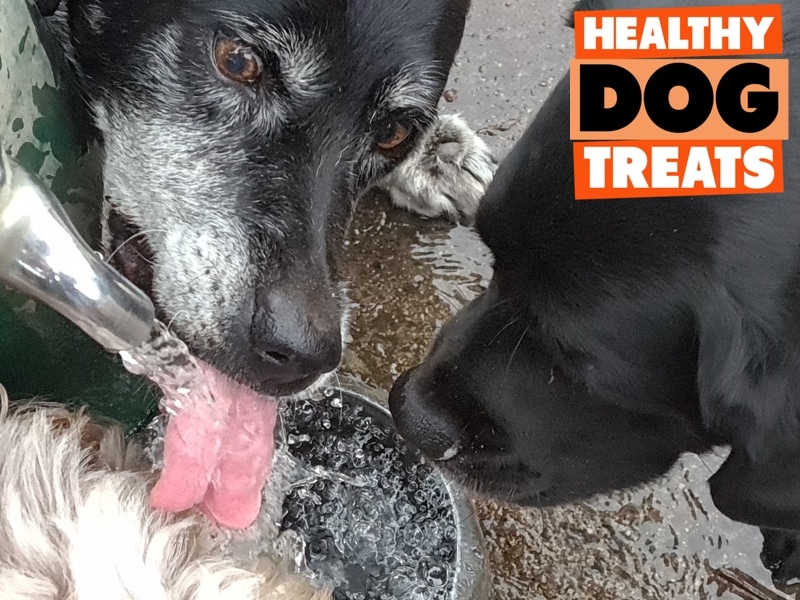
How to clean your dog’s food and water bowls properly
You don’t need an elaborate routine. The important thing is to remove residue rather than simply rinse the bowl.
- Empty the bowl.
Discard leftover food and stale water. Don’t just add fresh water on top of what’s already there.
- Wash with detergent and warm water.
Use a clean sponge, brush or other suitable cleaning tool to scrub the entire inside and outside of the bowl, paying particular attention to the base, rim and corners.
- Rinse thoroughly.
Remove food residue and detergent, following the bowl manufacturer’s cleaning instructions.
- Dry the bowl.
Air-dry it or use a clean towel before putting it back into use.
- Keep your cleaning equipment clean.
A dirty sponge can transfer microorganisms rather than remove them effectively. Wash and dry your cleaning tools regularly, replace worn or unpleasant-smelling sponges and avoid using a visibly contaminated tool.
You can also use a dishwasher if the bowl is labelled dishwasher-safe. The CDC advises that pet bowls can be washed alongside household dishes, provided appropriate cleaning practices are followed. If you prefer to keep pet dishes separate, that’s a personal choice; the important thing is to clean them thoroughly.
Wash your hands after handling pet food, bowls and feeding equipment.
Which dog bowl material is best: stainless steel, plastic or ceramic?
Stainless steel, plastic and ceramic bowls are all widely used, but the material alone doesn’t determine how clean a bowl will stay.
Surface condition, scratches, food residue, cleaning frequency and the way the bowl is used can all affect microbial contamination.
A 2018 study by Coralie Wright and Aisling Carroll examined bacteria in plastic, ceramic and stainless steel dog water bowls over time. The researchers observed differences between materials, but the study was small and concluded that further research was needed before identifying the most suitable bowl material.
A separate 2023 study investigated contamination in dog food bowls. It found associations between bacterial counts, food type, cleaning method and bowl material. Interestingly, the results did not establish that stainless steel was always the least contaminated option.
These findings are a useful reminder that no bowl material eliminates the need for regular washing.
Are stainless steel bowls a good choice?
Stainless steel is a practical option because it is durable and many models have a smooth, easy-to-clean surface. Choose a bowl that is suitable for food and water, inspect it for damage and follow its care instructions.
Plastic bowls can become scratched through everyday use, while ceramic bowls should be checked for chips, cracks or damaged glaze. Replace a bowl if its surface becomes difficult to clean properly.
Rather than relying on material alone, choose a well-made bowl that is easy to wash and keep it clean.
What about bacteria on kitchen sponges?
Cleaning equipment deserves attention, too. Sponges and brushes can collect food residue and microorganisms during use.
Use a cleaning tool that is in good condition, clean it regularly and replace it when necessary. A dedicated sponge or brush for pet bowls can help you keep your routine organised, although the tool still needs proper cleaning.
Also remember that washing and disinfecting are different. Washing with detergent removes dirt and microorganisms from surfaces. Disinfection is an additional step that may be appropriate when a pet is ill, a bowl has been contaminated with faeces, or a household member is particularly vulnerable to infection.
If disinfection is needed, use a product suitable for the item and follow its label directions carefully, including any rinsing and drying requirements. Never mix cleaning chemicals.
A simple daily habit that makes sense
After years of dog walking and pet sitting, my main takeaway is straightforward: don’t wait until a bowl looks filthy before cleaning it.
Wash water bowls daily, clean food bowls according to what your dog has eaten, refresh the water and keep the bowl’s surface in good condition. These are small jobs that fit easily into an everyday feeding routine.
There is no need to panic about every microorganism or assume that every slippery film contains dangerous bacteria. Just make thorough cleaning a habit, and take extra care when someone in your household is more vulnerable to infection.
If you wouldn’t be happy drinking from a bowl in that condition, it’s time to give your dog’s bowl a proper clean.
Healthy dogs need exercise, appropriate nutrition and plenty of fresh water. Good bowl hygiene is another simple part of caring for them.
References and further reading
- Wright, C. and Carroll, A. (2018). Microbiological Assessment of Canine Drinking Water and the Impact of Bowl Construction Material. Hartpury University research record.
- Raspa, F. et al. (2023). Pet feeding habits and the microbiological contamination of dog food bowls: effect of feed type, cleaning method and bowl material. BMC Veterinary Research — full research article.
- US Centers for Disease Control and Prevention. About Cleaning and Disinfecting Pet Supplies. Cleaning guidance.
Enjoyed this article?
We share practical information about dog health, nutrition and natural treats to help Australian dog owners make informed choices.
Join the Healthy Dog Treats newsletter for dog-care tips, product information and occasional special offers.